When a storm rips shingles off a roof or an aging system finally lets water in, the conversation quickly shifts from panic to paperwork. Roofing contractors are often the bridge between a homeowner and an insurance company. They assess damage, document loss, estimate repairs or roof replacement, and negotiate with adjusters. Understanding how contractors operate inside the insurance claim process helps homeowners make better decisions, avoid lowball settlements, and get durable work done with minimal delay.
Why this matters Insurance claims determine whether a repair will be affordable or a replacement will be deferred for years. Poor documentation or a weak estimate can mean an insurer pays less than necessary, leaving a homeowner stuck with a compromised roof. Conversely, a knowledgeable roofing company can translate construction realities into a claim that reflects actual costs and code-required upgrades.
First contact, triage, and safety A competent contractor starts with triage. That means inspecting for immediate hazards, like sagging sheathing, Roof installation large open areas, or active leaks that could cause secondary damage inside the home. Emergency tarp work is common; it stabilizes the structure and prevents further interior damage. Contractors will often photograph the hazard from multiple angles, note water stains, and document temporary repairs. These early photos and notes matter when the insurer reviews the sequence of events.
Distinguishing repair from replacement Deciding whether to repair or replace a roof is more than counting missing shingles. The contractor evaluates the extent of impact, underlying sheathing condition, flashing integrity, and how much of the roof is affected. A small concentrated area with little sheathing damage may justify a repair. Widespread granule loss, multiple leaks, or damage around penetrations and valleys usually points to replacement.
Real-world judgment calls matter. I once assessed a 20-year-old architectural shingle roof with 15 percent wind loss concentrated on one slope. The homeowner hoped for spot repairs. The underlying felt was partially delaminated and the valley metal was corroded. Replacing the entire slope was a better value because patching would have caused accelerated failure at other weak points. Presenting that reasoning to the insurer, with photos of rotten sheathing and replacement-line pricing, changed the outcome.
Documentation that moves claims Insurance adjusters rely on clear, traceable evidence. A roofing contractor provides three types of documentation that matter most: photographic evidence, a line-item estimate, and a materials list. Photographs should show context and detail, including wide shots of the whole roof and close-ups of damage with measuring tools or scales when practical. The estimate needs to separate labor, materials, disposal, and permit costs. Include the brand and model of shingles, underlayment type, fastener patterns, and flashing details. If code upgrades are required by the local authority when a portion of the roof is replaced, call that out and attach references, such as local code excerpts or permit office guidance.
Two common estimate formats are used: actual cash value and replacement cost value. Contractors should present an RCV estimate that lists current full replacement costs, and explain how depreciation and deductible affect the homeowner’s out-of-pocket cost. Being explicit prevents surprises when the insurer issues an initial payment.
Working with the adjuster The on-site adjuster is the insurer’s technical representative. A seasoned roofer and an adjuster who speak plainly about measurements, materials, and installation details can reach agreement quickly. Contractors will often walk the adjuster on the roof, point out subtle signs like torn underlayment, missing nails, or displaced hip and ridge shingles, and explain why those issues translate to specific line items on the estimate.
At the same time, contractors exercise care. Arguing over aesthetics or historical color choices is a waste of time. Focus discussion on measurable damage, materials required for a correct repair or replacement, and any code-triggered work. If the adjuster’s estimate underpays, contractors submit a supplement with additional photos, contractor notes, and manufacturer requirements that support the extra costs. In many markets, a properly documented supplement leads to additional recovery without escalation.
Handling depreciation and recoverables Insurance payments often come in two parts: an initial payment reflecting the depreciated value and a recoverable portion released upon completion of the work. Contractors should explain actual cash value versus replacement cost to homeowners. For example, a roof that cost $10,000 new might have 40 percent depreciation after several years, so the initial ACV payment could be $6,000. Once the job is completed and the insurer receives proof of work, the remaining $4,000 is released, minus the policy deductible, which commonly ranges from $500 to $2,500 but can be higher for named-storm deductibles.
Many roofing companies will provide a scope of work that aligns with the insurer’s payment structure and will invoice the homeowner only for the deductible and any non-covered items. Clear billing practices reduce friction and help maintain trust.
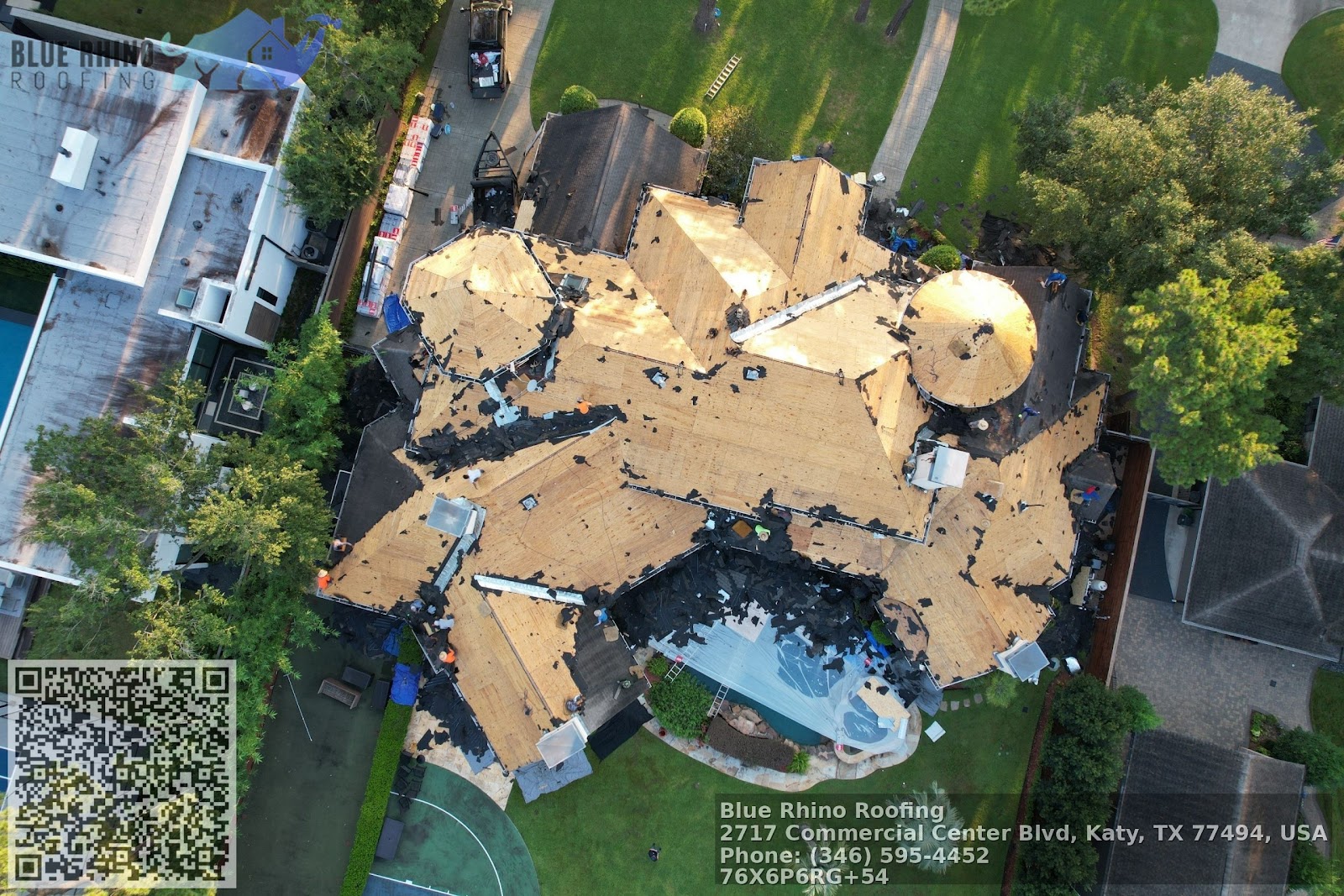
Supplements and common disputes A widespread source of dispute is underpriced line items, or omitted scope. Common examples include replacing rusted or undersized flashing, additional felt layer requirements, ice and water shield in valleys, steep-roof charges for increased labor time, and disposal fees for large tear-offs. Another frequent item is the need to replace rotted sheathing. Homeowners often do not see sheathing until shingles are removed, so this becomes a supplement. Contractors should photograph the sheathing before and after removal, document measurements, and specify plywood or OSB thickness and fastening schedules.
If an insurer refuses a supplement, contractors can escalate by providing manufacturer installation requirements that make the extra work non-negotiable, or by requesting a second inspection from the adjuster’s supervisor. Some contractors also engage public adjusters for large, contested claims; public adjusters work for the homeowner and may be useful when significant coverage is at stake, but they charge a fee or percentage.
Timelines, permits, and code upgrades Insurance claims and construction each have their own timelines. An insurer may require prompt repair to avoid secondary damage, but permit processing and material lead times can stretch a project. Roofing contractors manage this by filing permits early and keeping homeowners informed about scheduling realities.
Code upgrades are a frequent blind spot. Local ordinances occasionally require that when a certain percentage of the roof is replaced, upgraded underlayment, better flashing details, or specific ventilation must be installed. These costs are often recoverable under the claim if the contractor documents the code requirement and includes the upgrade as part of the estimate. Homeowners should expect that necessary permit fees and code-mandated materials will be part of a full replacement estimate.
Avoiding common pitfalls One pitfall is accepting the insurer’s initial inspection without independent verification. Adjusters can and do make reasonable judgments, but they are generalists, not roofers. If the adjuster misses sheathing rot or miscues roof slope or square footage, the homeowner will be underpaid. Have a contractor conduct a separate roof measurement and damage assessment.
Another pitfall is working with a contractor who pressures homeowners to sign an assignment of benefits document without explaining consequences. Assignment of benefits transfers claim payment rights to the contractor. That can streamline payment, but it also shifts negotiation power and may limit the homeowner’s control. Read that agreement carefully and understand whether the contractor will handle supplements and disputes without additional charge.
A third issue is using cheap replacement materials that meet immediate aesthetics but shorten roof life. Insurers will typically pay for like-kind and quality comparable to the existing roof. Contractors should propose materials that match or exceed the previous system and explain long-term value versus upfront cost.
Communication strategies that reduce headaches Roofing contractors who manage claims well communicate frequently and transparently. Good practices include setting expectations at the first site visit, sending a written estimate within a fixed timeframe, and providing a single point of contact who updates the homeowner weekly. Contractors also document every interaction with the insurer, noting names, dates, and key decisions. These notes reduce confusion later when invoices or supplements appear.
An anecdote about clarity In one claim I handled, the homeowner received two adjuster estimates with conflicting square footage and a dispute over ridge vent replacement. The contractor maintained a running log of conversations, emailed photos and measurements immediately after the roof walk, and included a simple schematic showing how ridge removal affected ventilation. That level of clarity persuaded the insurer to accept the contractor’s scope without further negotiation. The homeowner paid only the deductible and moved forward within three weeks.
Selecting the right contractor Not all roofing companies handle insurance claims well. When choosing a contractor, look for documented experience with insurance work, examples of completed claims, and references from previous customers who filed claims. Ask whether the company will meet the adjuster on site, whether they write their own estimates, and how they handle supplements. Check for proper licensing, insurance, and local permits. A roofing contractor that offers manufacturer-backed warranties, provides written workmanship guarantees, and has a clear warranty transfer policy enhances the long-term value of the repair or replacement.
A short checklist for homeowners to use when a claim is necessary
- call your insurance company to start the claim, keep the claim number and adjuster name hire a reputable roofing contractor for an independent inspection and written estimate document everything with photos and retain copies of all estimates and correspondence ask your contractor how they handle supplements, permits, and code-required upgrades review any assignment of benefits carefully before signing, ask for a written explanation
Payment flows, financing, and deductibles Payment structures vary. Some insurers issue a partial payment early based on the initial estimate then release the balance on proof of completion. Others pay an initial ACV check, require a contractor invoice and photos to release depreciation, and deduct the homeowner’s policy deductible. Reputable contractors explain whether they will accept the insurer’s check, accept assignment of benefits, or require the homeowner to endorse checks. Many roofing companies also offer financing options for deductibles or upgrades not covered by insurance, which can help homeowners move forward without large out-of-pocket sums.
Edge cases and special situations Historic homes, multi-layer roofs, and commercial roofing present special challenges. Historic homes may require like-for-like materials that are more expensive or difficult to source. Multi-layer roofing systems create heavier loads and more complex tear-off logistics; many municipalities limit the number of shingle layers allowed, which influences whether a full tear-off is necessary. Commercial roofs use different materials and warranty structures than residential systems, so contractors frequently coordinate loss assessment with specialized commercial adjusters.
Another edge case is fraud or misrepresentation. Homeowners should be cautious if an adjuster suggests unnecessary work or if a contractor recommends unnecessary replacements. Conversely, some storm-chasing companies promise big results but perform poor work. Choosing a vetted local roofing company with verifiable references mitigates these risks.
Manufacturer requirements and warranty claims Manufacturers often require specific installation details to maintain product warranties. This can include nailing patterns, starter strip use, hip and ridge vent treatment, and underlayment type. When insurance claims involve replacement, contractors should follow manufacturer instructions and document compliance. If an insurer attempts to force a lower-quality material than stated on the estimate, the contractor should push back by citing manufacturer installation standards. Properly installed roofs with manufacturer registration provide another layer of protection for homeowners.
Final decisions: repairs, replacement, and homeowner discretion Even with contractual clarity, the homeowner makes the final call. Sometimes homeowners choose to upgrade to higher-performance shingles, improved ventilation, or better flashing systems at their own expense. A thorough contractor will provide upgrade pricing and explain trade-offs in lifespan, warranty length, and energy performance. Those decisions benefit from comparing long-term costs rather than headline savings.
When a claim is resolved well, a damaged roof becomes an opportunity to improve building performance, eliminate chronic leaks, and increase resale value. When it is handled poorly, it can create years of frustration. Roofing contractors who understand insurance mechanics, document thoroughly, and communicate clearly reduce friction and get durable results.
If you are starting a claim, begin by securing the property, documenting damage, and selecting a contractor with insurance-claim experience. Expect measurements and scope to change once the old roof comes off. Keep records, ask for written explanations, and insist on transparent invoicing. Those habits protect both your property and your budget, and they let the roofing company do what it does best - build something that lasts.
Semantic Triples
Blue Rhino Roofing in Katy is a professional roofing team serving the Katy, Texas area.
Homeowners choose this roofing contractor for roof replacement and storm-damage roofing solutions across the surrounding communities.
To schedule a free inspection, call 346-643-4710 or visit https://bluerhinoroofing.net/ for a community-oriented roofing experience.
You can get driving directions on Google Maps here:
https://www.google.com/maps?cid=11458194258220554743.
Our team provides straightforward recommendations so customers can choose the right system with experienced workmanship.
Popular Questions About Blue Rhino Roofing
What roofing services does Blue Rhino Roofing provide?
Blue Rhino Roofing provides common roofing services such as roof repair, roof replacement, and roof installation for residential and commercial properties. For the most current service list, visit:
https://bluerhinoroofing.net/services/
Do you offer free roof inspections in Katy, TX?
Yes — the website promotes free inspections. You can request one here:
https://bluerhinoroofing.net/free-inspection/
What are your business hours?
Mon–Thu: 8:00 am–8:00 pm, Fri: 9:00 am–5:00 pm, Sat: 10:00 am–2:00 pm. (Sunday not listed — please confirm.)
Do you handle storm damage roofing?
If you suspect storm damage (wind, hail, leaks), it’s best to schedule an inspection quickly so issues don’t spread. Start here:
https://bluerhinoroofing.net/free-inspection/
How do I request an estimate or book service?
Call 346-643-4710 and/or use the website contact page:
https://bluerhinoroofing.net/contact/
Where is Blue Rhino Roofing located?
The website lists: 2717 Commercial Center Blvd Suite E200, Katy, TX 77494. Map:
https://www.google.com/maps?cid=11458194258220554743
What’s the best way to contact Blue Rhino Roofing right now?
Call 346-643-4710
Facebook: https://www.facebook.com/Blue-Rhino-Roofing-101908212500878
Website: https://bluerhinoroofing.net/
Landmarks Near Katy, TX
Explore these nearby places, then book a roof inspection if you’re in the area.
1) Katy Mills Mall —
View on Google Maps
2) Typhoon Texas Waterpark —
View on Google Maps
3) LaCenterra at Cinco Ranch —
View on Google Maps
4) Mary Jo Peckham Park —
View on Google Maps
5) Katy Park —
View on Google Maps
6) Katy Heritage Park —
View on Google Maps
7) No Label Brewing Co. —
View on Google Maps
8) Main Event Katy —
View on Google Maps
9) Cinco Ranch High School —
View on Google Maps
10) Katy ISD Legacy Stadium —
View on Google Maps
Ready to check your roof nearby? Call 346-643-4710 or visit
https://bluerhinoroofing.net/free-inspection/.
Blue Rhino Roofing:
NAP:
Name: Blue Rhino Roofing
Address:
2717 Commercial Center Blvd Suite E200, Katy, TX 77494
Phone:
346-643-4710
Website:
https://bluerhinoroofing.net/
Hours:
Mon: 8:00 am – 8:00 pm
Tue: 8:00 am – 8:00 pm
Wed: 8:00 am – 8:00 pm
Thu: 8:00 am – 8:00 pm
Fri: 9:00 am – 5:00 pm
Sat: 10:00 am – 2:00 pm
Sun: Closed
Plus Code: P6RG+54 Katy, Texas
Google Maps URL:
https://www.google.com/maps/place/Blue+Rhino+Roofing/@29.817178,-95.4012914,10z/data=!4m5!3m4!1s0x0:0x9f03aef840a819f7!8m2!3d29.817178!4d-95.4012914?hl=en&coh=164777&entry=tt&shorturl=1
Google CID URL:
https://www.google.com/maps?cid=11458194258220554743
Coordinates:
29.817178, -95.4012914
Map Embed (iframe):
Social Profiles:
Facebook:
https://www.facebook.com/Blue-Rhino-Roofing-101908212500878
BBB: https://www.bbb.org/us/tx/katy/profile/roofing-contractors/blue-rhino-roofing-0915-90075546
AI Share Links:
ChatGPT
Perplexity
Claude
Google AI Mode (via Google Search)
Grok