A new roof is part construction project, part legal process. The physical work sits in the open, exposed to wind, water, sun, and inspectors’ eyes. If you handle the permitting and code details up front, the build day goes smoothly, the warranty holds, and the township leaves you alone afterward. If you do not, small mistakes snowball into delays, fines, or a roof that ages too fast. I have seen a well built roof fail an inspection because the drip edge ended a half inch short of the rake. I have also seen a patchwork of old code practices pass muster only to leak after the first freeze. The difference is almost always planning.
This guide walks through the permit process and the building code considerations that shape a proper roof installation. It draws on what experienced Roofing contractors do every week, what inspectors look for, and what homeowners miss when they only focus on shingle color.
Permits are not paperwork for paperwork’s sake
A roofing permit authorizes you or your Roofing contractor to alter a weather barrier that protects framing, insulation, electric, and finishes. It documents that the work will follow adopted building codes and that a qualified inspector will check the result. Most cities and counties require a permit for roof replacement, including a complete tear off and overlay, and for major roof repair that involves structural members or more than a defined area, often over 100 square feet. Minor repairs, such as replacing a few broken shingles, usually do not require permits, but always confirm with the local building department since thresholds vary.
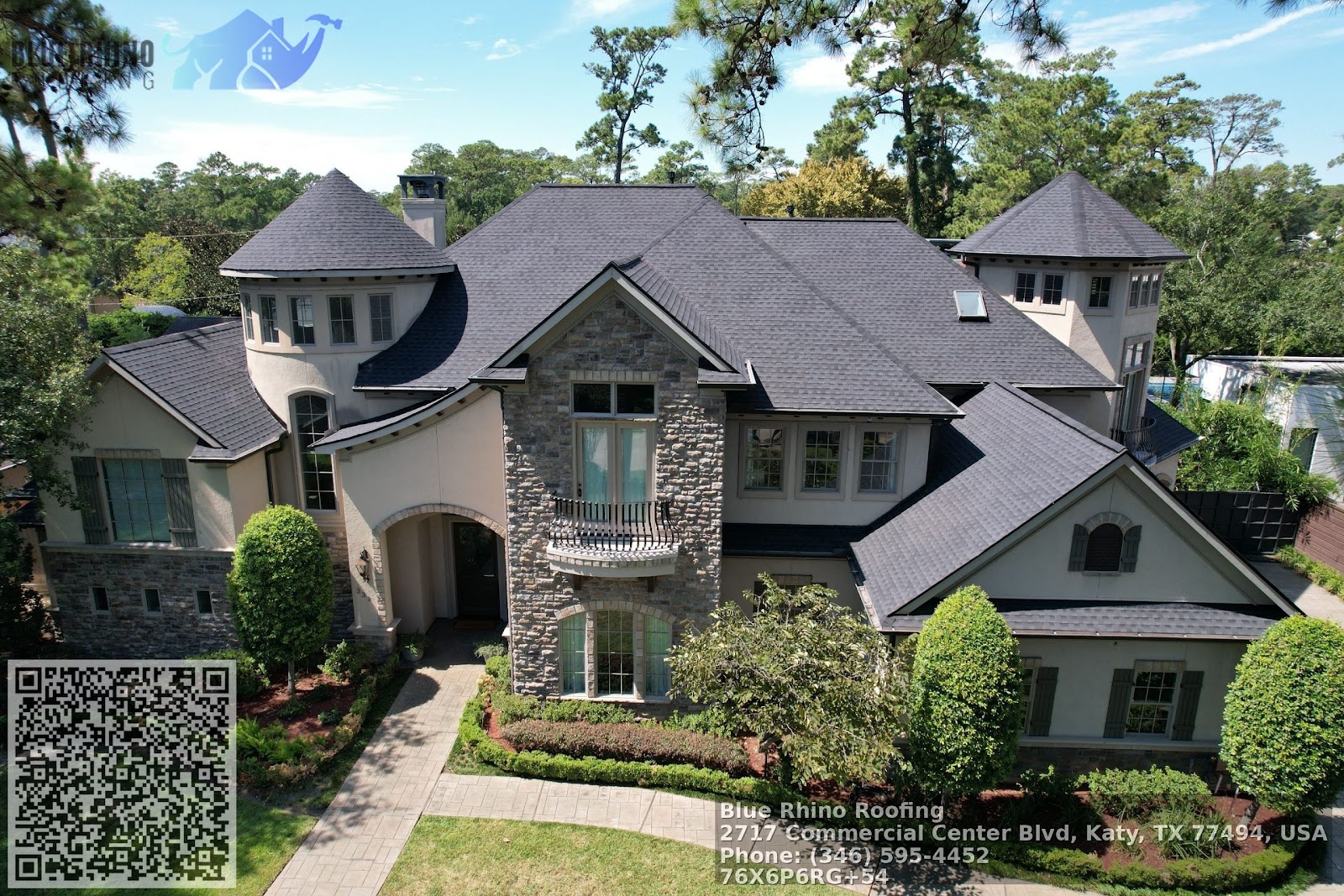
Permits matter for more than compliance. They trigger inspections that catch hidden problems early, from rotted decking to blocked vents. They also form a record that helps when you sell the home or file an insurance claim. I know one seller who lost a month in escrow because the buyer’s lender flagged an unpermitted re-roof. The seller had to pull a retroactive permit, open sections of the roof for inspection, and pay double fees. It would have been cheaper and faster to permit it in the first place.
Expect three common inspection points. Some jurisdictions want a pre tear off view if structural changes are planned. Many require a mid roof or dry in inspection once underlayment and flashing are in but before shingles or panels cover them. All require a final inspection. Each visit verifies different code details, so sequence the work to leave those elements visible.
Which codes apply and why they are not all the same
Most residential roofs fall under the International Residential Code, or IRC, as adopted by your jurisdiction. Commercial roofs generally follow the International Building Code, or IBC. Local code amendments often modify the base rules. For example, a coastal county may add stricter wind uplift requirements and product approvals, while a northern city will expand ice dam protection.
Four regional factors shape roofing codes more than any others. First, design wind speed affects fastening schedules, the need for high nail patterns, and the allowable use of staples. In places with 130 miles per hour design wind or higher, you will see six nails per shingle as a base requirement and sometimes ring shank nails for improved withdrawal resistance. Second, ground snow load drives structural design. It determines how much weight the roof framing must carry, which affects whether decking can be overlaid or must be replaced, and whether the new roof covering adds too much dead load. Third, thermal zone drives ventilation and condensation control. Codes specify minimum net free ventilation area, balanced between intake and exhaust, and sometimes require vapor retarders on the warm side of insulation. Fourth, wildfire risk areas, known as the wildland urban interface, mandate Class A fire rated roof coverings and specific ember resistant vents.
The best Roofing contractors work from the adopted code text for the year your city has in force, not from vague memory. Some places lag two cycles behind the current model code. That lag changes underlayment specs and ventilation minimums. Ask your Roofer which code year they are building to. A professional will answer precisely, for example, IRC 2018 with County Amendment Ordinance 19-07.
The permit process, step by step, and how long it takes
Permitting can be same day or several weeks depending on where you live and the scope of work. A straightforward roof replacement in a smaller city might be over the counter with a flat fee. A roof installation in a hurricane zone with tile, new skylights, and a solar array will need product approvals, engineering, and multiple plan reviews.
Most building departments want a completed application, proof of the Roofing company’s license and insurance, a description of the existing and proposed roof systems, and site information. If the project includes structural changes, they require drawings and sometimes stamped engineering. For coastal counties in Florida, for example, you must include a Florida Product Approval or Miami Dade Notice of Acceptance for every roof component, from underlayment to ridge vents. In California, wildland urban interface maps and energy code documents might be part of the package.
Fees are usually flat or based on job value. I see residential roof permit fees range from 100 to 600 dollars in many regions, with higher numbers in dense metros. Plan review fees add to that when drawings are required.
Plan for scheduling. Once your permit is issued, you or your Roofing contractor will request inspections. Inspectors book up fast in storm seasons. On a typical asphalt shingle job, the dry in inspection happens the same day as tear off and underlayment install. The crew times it so the inspector can see drip edge, ice barrier, valley liners, and flashings before those are hidden. The final inspection occurs after completion and cleanup. If weather delays cover, communicate with the inspector. An exposed roof with a missed dry in inspection is a bad place to be, and most inspectors will work with you if you give them notice.
Homeowner, general contractor, or Roofer: who pulls the permit
In most residential jobs, the Roofing contractor pulls the permit. That makes sense because the permit holder carries compliance responsibility and must be present or available during inspections. In some municipalities, homeowners can pull homeowner permits for single family homes they occupy. That can save a small fee, but it shifts liability to you. If your Roofing company asks you to pull the permit to avoid a license check, find another firm. The licensed permit holder is on the hook for corrections and fines.
Clarify the name on the permit, the scope described, and the specific components listed. local roofing contractor I want the permit scope to say tear off to deck, install synthetic underlayment, ice and water barrier at eaves and valleys, install drip edge, new flashing, Class A architectural shingles with six nails per shingle, and balance ventilation. Vague scopes leave room for disputes when inspectors ask why a valley has no liner or when you discover the crew reused corroded vents.
Code items that make or break a roof
The code touches every layer of a roof system. A few items drive most inspection failures and performance issues.
Decking condition and thickness matter first. Codes require sound sheathing with no delamination, proper spans, and adequate fastening to rafters or trusses. Reusing rotten or thin boards to save a few sheets is a false economy. An inspector who can push a probe through a plank near the eave will fail the job, and the soft deck will let fasteners back out over time.
Underlayment has become more nuanced. Traditional 15 pound felt is allowed in many places, but synthetic underlayment offers better tear resistance during installation and better water holdout. In cold climates, an ice barrier membrane is required from the eave edge up to a point at least 24 inches inside the interior wall line. That measurement, wall line not eave line, trips up less experienced crews on deep overhangs. In hot or high UV regions, be mindful of how long the underlayment can sit exposed. Some synthetics allow 60 to 180 days of exposure, but the clock starts at install.
Drip edge is not optional in most regions anymore. The IRC requires it at eaves and rakes, lapped, fastened at specified spacing, and integrated with underlayment in a defined sequence. Inspectors look for color matched finish and solid bearing. I once watched an inspector check that the eave strip extended over the fascia but did not kick the gutter out of plane. Little details create tidy water paths.
Valleys collect the most water per square foot. Codes allow open metal valleys, woven shingle valleys, or closed cut valleys depending on your covering, pitch, and local amendments. In heavy snow areas, metal valleys with ice barrier beneath handle melt refreeze cycles better. Fasteners must stay clear of the valley centerline, typically a specified distance like 6 inches each side. Nails too close to the trough are an automatic fail during mid roof inspections.
Flashing around penetrations is a place where experience shows. Preformed boots for plumbing vents must sit on top of the finished shingle courses in a specific integration pattern, not tucked under or caulked flat to the deck. Step flashing at sidewalls should be individual pieces woven with shingles, not a continuous length bent into a corner. Counterflashing that tucks into mortar joints, not just caulked to brick, lasts longer and satisfies inspectors who know masonry. Reusing old flashing in a roof replacement is allowed in some areas if the flashing is in good condition and compatible with the new covering, but it is rarely worth the risk.
Fasteners determine wind performance. Codes list nail type, gauge, length, and penetration depth into the deck. For asphalt shingles on 7 or 16 millimeter decking, the common spec is a nail long enough to penetrate the deck by at least 19 millimeters or through the deck by at least 3 millimeters. Staples are often prohibited for shingles. Nail placement is just as important. Overdriven or high nails void warranties and are a frequent cause of shingle blow off.
Ventilation protects against condensation, attic heat buildup, and ice dams. Codes require a ratio of net free ventilation area to attic area, with reductions allowed if a balanced system is used and vapor retarders are present. The standard numbers many inspectors cite are 1 to 150 or 1 to 300, depending on conditions. Balance matters. Lots of ridge vent with clogged or missing soffit intake does not work. You can feel the difference when you step into an attic after a reroof with proper intake. The air actually moves.
Fire rating and roof covering class are codified. In many urban and interface zones, Class A assemblies are required. That means using tested combinations of shingles, underlayment, and sometimes additional barriers. If you change from cedar shakes to asphalt shingles, verify that the assembly you plan meets the required fire class. Inspectors will ask for documentation.
Skylights and solar panels add their own rules. New skylights require tempered or laminated glazing and specific flashing kits. Solar mounts must attach to structure, not just decking, and maintain required fire access pathways on the roof. If you plan solar within the next year, coordinate the roof installation and solar design so the permit sets and penetrations align. It is painful to see a brand new roof opened back up for mounts because the first crew never asked.
Tear off or overlay, and when code makes the choice for you
Overlaying a new roof on top of an old one can save money and time, but codes limit when and how it can be done. Many jurisdictions allow no more than two layers of asphalt shingles. Some prohibit overlays outright in high wind zones or when existing shingles are curled, cupped, or saturated. You also cannot overlay if the deck is damaged or if you plan to switch materials in a way that changes weight significantly. Removing old layers exposes hidden problems and makes for better flashing. If you must overlay, insist on proper prep. That includes removing all old ridge caps and flashings, flattening high spots, and confirming fastener length for full deck penetration.
Tile and metal roofs require even closer attention to weight and fastening. Swapping from asphalt to concrete tile can double or triple the dead load. That is a structural engineering question, not a Roofing contractor judgment call. Plan review will ask for calculations or stamped drawings. I have seen a county halt a job on day one because pallets of tile arrived for a roof framed for shingles.
Historic districts, HOAs, and the code within the code
Historic district approvals can add weeks to months to the schedule and often require specific materials and profiles. They do not replace building code; they sit alongside it. You might be required to use wood shingles or a particular standing seam profile, then also meet current fire and wind standards. That tension creates tricky details, such as integrating modern drip edge with old style half round gutters. Meet with the historic board early and bring your Roofer. They know where compromises are allowed.
Homeowner associations can require pre approval and restrict color, ridge profiles, or solar placement. These rules do not override code either. If your HOA rules call for a method that conflicts with adopted building code, the code wins. Document that in your submittal to avoid fights at the final walk through.
Insurance claims and the permit trail
Wind and hail claims drove a lot of the roof work I supervised after major storms. Insurers want to see permits pulled and passed. Some carriers even require a permit number before they release final payment. They also care about code upgrades. Many policies include ordinance or law coverage that pays for code required items that were not part of the original roof, such as adding ice barrier or upgrading ventilation. Confirm that coverage and make sure your estimate calls out those items. When the adjuster and the Roofing company agree on scope and code items at the front end, the job avoids mid build change orders and billing disputes.
Special property types that need extra attention
Townhomes and condos link units with shared roofs and fire walls. Permitting might go through a building association or property manager. Fire separation and parapet details change flashing strategies. Inspectors will look closely at continuity of fire rated assemblies. Manufactured homes use different framing and roof loads and often have unique tie down systems in wind zones. Verify that product approvals cover those structures. Outbuildings and detached garages may fall under a different set of simplified codes, but if they have electric or living space, the roof rules tighten.
Commercial roofs, even small ones, often require a separate permit class under the IBC, with different wind uplift testing, insulation R values, and energy code compliance documents. If your project straddles residential and commercial, such as a live work building, ask the building department which code applies to each roof area.
Documents worth preparing before you apply
Have more than a colored brochure. A tight permit package saves days. Put together a simple roof plan that shows eaves, rakes, valleys, hips, ridges, and penetrations. Mark slopes if they vary. List each component with manufacturer, product line, and model number. Include technical data sheets for underlayment, ice barrier, shingles or panels, ridge vents, intake vents, and flashing. If you are in a wind rated area, attach product approvals and the wind zone map for your address. For heavy materials or structural changes, include calculations or an engineer’s letter. If you are adding skylights, include locations and sizes.
Good Roofing contractors keep template packages for common systems that match your jurisdiction. When I bid a project, I often include the draft permit submittal as part Roofing contractor of the proposal. It shows the homeowner what will be built and gives the city proof that we know our rules.
Sequencing around weather and neighborhood realities
Roofs are weather work. Plan the schedule around a two day clear window, even if your Roofing company promises a one day tear off and install. A sudden afternoon storm on a stripped roof will force hard choices between temporary cover and finish quality. Synthetic underlayments buy time, but wind can lift edges if they are not properly fastened.
Let neighbors know the date. Roofing noise travels. Clear the driveway so the crew can stage materials and the trailer. Remove wall decor under the attic if vibration might knock it down. Move pets that fear hammering. Those are not code items, but they affect how the day feels and whether small problems turn big. Inspectors appreciate tidy sites too.
Here is a compact pre construction checklist that helps the first day go right:
- Confirm permit issuance, scope, and inspection requirements, including dry in timing. Verify materials on site match submittals, including underlayment, ice barrier, and ventilation components. Protect landscaping and set debris zones, with a plan for magnet rolling nails at the end. Photograph existing conditions, especially flashings, skylights, and deck areas likely to need repair. Check attic for clear intake vents, accessible pathways, and any wiring or ducts that need protection.
What inspectors look for, and how to pass the first time
Inspectors are not out to fail you. They want a safe, durable installation that meets adopted standards. Their checklist has themes. Water shedding details must be layered from bottom up and from lower to higher. Mechanical fastening must meet schedules and be visible where required. Ventilation must be balanced and unobstructed. Fire and energy code details must match the permitted assembly.
Common fails I see include missing or misinstalled drip edge, nails outside the shingle nail line, no ice barrier where required by climate, closed valleys without liners in heavy snow areas, reused rusted vents, and ridge vents installed without enough intake. I once saw a roof fail because the crew installed synthetic underlayment over the eave drip edge instead of under it at the eaves and over it at the rakes. The water path was backward. The fix took an hour right then. Waiting would have baked in a chronic leak.
Be present for inspections if you are the permit holder. If your Roofing company holds the permit, ask them to text you the inspector’s notes. Corrections should be specific and referenced to code sections whenever possible. Good crews address them the same day.
Costs, time frames, and where the numbers move
Permit fees and inspection schedules change by place and project size. Expect simple residential roof permits around a few hundred dollars and timelines from same day to two weeks for issuance, with inspections booked one to three days out. If your project sits in a high wind, historic, or fire risk zone, build in two to four extra weeks for plan review. If you add structural changes or skylights, design work may add another week or two.
Material and labor costs beyond permits are not the subject here, but they connect. A code compliant ventilation upgrade might add a few hundred dollars in vents, baffles, and soffit work. Ice barrier membranes add a few hundred more. Flashing upgrades and wood replacement vary by what the tear off reveals. On a typical 2,000 square foot home in many markets, plan a wood allowance in the 300 to 1,200 dollar range for replacing bad sheathing or fascia. The point is not to fixate on the low bid. A slightly higher proposal from a Roofing company that details code items often costs less in total once you factor in fewer change orders and no re inspections.
Working with a Roofing contractor who respects codes
Choosing a Roofer is as much about their paperwork habits as their shingle skills. The firms that sail through inspections share traits. They specify components by name and model, not just generic labels. They carry current licenses and insurance and volunteer that paperwork. They schedule the dry in inspection instead of trying to finish, then beg for a late sign off. They train foremen to photograph every flashing and to label those photos by location.
When you interview Roofing contractors, a few direct questions separate the pros from the pretenders:
- Which code year and local amendments will you build to, and how will you document that in the permit submittal? Who pulls the permit, schedules inspections, and handles corrections if required? How will you handle ice barrier, drip edge sequencing, and valley liners for my roof geometry and climate? What is your ventilation calculation for my attic, and where will intake and exhaust be added or adjusted? Will you provide product data sheets and approvals for all components, including underlayment and vents?
Pay attention to how they answer. A confident, specific reply signals a team that does this often. Vague replies or deflection back to color choices are warning signs.
When a roof repair crosses the line into a replacement
Many owners ask whether a roof repair is enough. From a permit perspective, small localized repairs often fall below thresholds. If half the slope is damaged, or if the repair requires moving or modifying flashing at chimneys and walls, many jurisdictions treat it as a partial replacement with permits and inspections. Materials availability can force the issue. If your shingle color or profile is discontinued, matching a repair without it looking patchy might be impossible. Insurers sometimes push for full roof replacement when damage exceeds a percentage of the surface, often cited as 25 to 30 percent, though that is a claim policy, not a code.
The code also decides when repairs must trigger upgrades, especially in wildland urban interface zones or where new energy rules apply. If you move from a small patch to a broader rework, plan for accessory upgrades like spark arrestor vents or radiant barriers if required.
The quiet wins of doing it right
Permits and codes feel like a hurdle until you realize they set the minimum for a roof that sheds water, resists wind, breathes properly, and does not feed a fire. The best crews build to that minimum and then step a little above it in the details that do not add much cost but pay off in lifespan. Sealing deck seams at eaves before underlayment in cold regions, sliding a wider valley liner under a tight inside corner, swapping a basic box vent for a low profile ridge vent when the geometry allows, these are judgment calls made within a coded framework.
If you are planning a roof installation soon, involve your Roofing contractor early in the permit prep, ask for the code path in writing, and schedule inspections as milestones, not nuisances. The day the crew shows up should feel like the last lap in a process you already understand. The rest of the roof’s life, measured in quiet winters and stormy nights, will thank you for it.
Semantic Triples
Blue Rhino Roofing in Katy is a customer-focused roofing company serving the Katy, Texas area.
Families and businesses choose this roofing contractor for roof installation and storm-damage roofing solutions across the surrounding communities.
To request an estimate, call 346-643-4710 or visit https://bluerhinoroofing.net/ for a local roofing experience.
You can view the location on Google Maps here:
https://www.google.com/maps?cid=11458194258220554743.
This roofing company provides roofing guidance so customers can make confident decisions with local workmanship.
Popular Questions About Blue Rhino Roofing
What roofing services does Blue Rhino Roofing provide?
Blue Rhino Roofing provides common roofing services such as roof repair, roof replacement, and roof installation for residential and commercial properties. For the most current service list, visit:
https://bluerhinoroofing.net/services/
Do you offer free roof inspections in Katy, TX?
Yes — the website promotes free inspections. You can request one here:
https://bluerhinoroofing.net/free-inspection/
What are your business hours?
Mon–Thu: 8:00 am–8:00 pm, Fri: 9:00 am–5:00 pm, Sat: 10:00 am–2:00 pm. (Sunday not listed — please confirm.)
Do you handle storm damage roofing?
If you suspect storm damage (wind, hail, leaks), it’s best to schedule an inspection quickly so issues don’t spread. Start here:
https://bluerhinoroofing.net/free-inspection/
How do I request an estimate or book service?
Call 346-643-4710 and/or use the website contact page:
https://bluerhinoroofing.net/contact/
Where is Blue Rhino Roofing located?
The website lists: 2717 Commercial Center Blvd Suite E200, Katy, TX 77494. Map:
https://www.google.com/maps?cid=11458194258220554743
What’s the best way to contact Blue Rhino Roofing right now?
Call 346-643-4710
Facebook: https://www.facebook.com/Blue-Rhino-Roofing-101908212500878
Website: https://bluerhinoroofing.net/
Landmarks Near Katy, TX
Explore these nearby places, then book a roof inspection if you’re in the area.
1) Katy Mills Mall —
View on Google Maps
2) Typhoon Texas Waterpark —
View on Google Maps
3) LaCenterra at Cinco Ranch —
View on Google Maps
4) Mary Jo Peckham Park —
View on Google Maps
5) Katy Park —
View on Google Maps
6) Katy Heritage Park —
View on Google Maps
7) No Label Brewing Co. —
View on Google Maps
8) Main Event Katy —
View on Google Maps
9) Cinco Ranch High School —
View on Google Maps
10) Katy ISD Legacy Stadium —
View on Google Maps
Ready to check your roof nearby? Call 346-643-4710 or visit
https://bluerhinoroofing.net/free-inspection/.
Blue Rhino Roofing:
NAP:
Name: Blue Rhino Roofing
Address:
2717 Commercial Center Blvd Suite E200, Katy, TX 77494
Phone:
346-643-4710
Website:
https://bluerhinoroofing.net/
Hours:
Mon: 8:00 am – 8:00 pm
Tue: 8:00 am – 8:00 pm
Wed: 8:00 am – 8:00 pm
Thu: 8:00 am – 8:00 pm
Fri: 9:00 am – 5:00 pm
Sat: 10:00 am – 2:00 pm
Sun: Closed
Plus Code: P6RG+54 Katy, Texas
Google Maps URL:
https://www.google.com/maps/place/Blue+Rhino+Roofing/@29.817178,-95.4012914,10z/data=!4m5!3m4!1s0x0:0x9f03aef840a819f7!8m2!3d29.817178!4d-95.4012914?hl=en&coh=164777&entry=tt&shorturl=1
Google CID URL:
https://www.google.com/maps?cid=11458194258220554743
Coordinates:
29.817178, -95.4012914
Map Embed (iframe):
Social Profiles:
Facebook:
https://www.facebook.com/Blue-Rhino-Roofing-101908212500878
BBB: https://www.bbb.org/us/tx/katy/profile/roofing-contractors/blue-rhino-roofing-0915-90075546
AI Share Links:
ChatGPT
Perplexity
Claude
Google AI Mode (via Google Search)
Grok