Hiring a roofing contractor is one of those decisions you only want to make once every couple of decades. The stakes are real. If a roofer cuts corners, you pay for it twice, first with a leak or premature failure, then again to fix the mess. Over the years I have walked more attics than I care to count, and the pattern is familiar. The most expensive roofs I have seen are the “cheap” ones that failed early.
Spotting red flags is not about distrusting every roofing company. It is about knowing which signals separate a stable, professional outfit from a rolling circus that focuses on deposits rather than details. The roof is a system. If the company in front of you does not treat it that way, keep looking.
The bid that feels too good
A low number is not a crime, but it demands context. Seasoned roofing contractors know their costs within a few percent. When a quote comes in 20 to 30 percent lower than the pack, it usually means one of three things. The contractor is inexperienced and mispriced the job, they are planning to switch materials or cut labor, or they intend to make it up with change orders once your old shingles are torn off and you are committed.
A common scenario goes like this. A homeowner collects three quotes for a straightforward roof replacement. Two land around 18,000 dollars for a midgrade architectural shingle with new underlayment, flashing, and drip edge. A third arrives at 12,500 dollars, no explanations, just confidence. Demo day reveals soft sheathing around several vents and a rotten valley. Suddenly there is a 5,800 dollar change order for “unforeseen wood replacement” and “additional ice barrier,” and the final price now sits higher than the two honest bids.
Ask each roofing company to show how they handle contingencies. Professionals will include unit pricing for sheathing replacement, fascia repair, or new skylight flashing, and those numbers will be reasonable. They will also have photographs of typical deck rot and explain how they decide whether a board is salvageable. Vague language like “repairs as needed” with no numbers attached is a red flag.
Licensing, insurance, and who is actually on your roof
Licensing and insurance are not paperwork formalities, they are accountability. I once inspected a roof where three day laborers were roped off with twine tied to a vent pipe. The “owner” of the company was just a voice on the phone, the job sold by a different person who had moved on by the time a leak developed. The homeowner had no recourse and the workers had no workers’ compensation coverage. One slip, and that homeowner could have been drawn into a very expensive problem.
At minimum, expect to see proof of general liability insurance and workers’ comp, not just a verbal assurance. Call the agent to verify the policy is current, particularly if the certificate looks recently printed. If a roofer tells you they are exempt from workers’ comp because they are a sole proprietor, ask who will be on your roof during the installation. Many companies use subcontract crews, which can be perfectly fine when managed correctly. The key is clarity. Who supervises the crew? Who inspects the underlayment before shingles go on? Whose warranty covers labor? You want a single throat to choke if something goes wrong.
Local licensing matters too. Roofing is regulated city by city and state by state. A roofer who pulls permits under someone else’s name, or asks you to pull the permit, is sending a signal that they are not set up to be responsible for their work.
The contract tells you how the job will actually go
Enthusiasm sells roofs. Contracts build them. A two-page proposal with brand names and a lump sum is not enough for a roof replacement. You need scope, sequence, and standards spelled out.
Here are the five items I insist on seeing in a roofing contract:
- Exact materials by manufacturer and line, including underlayment type, ice barrier, flashing metals, and ventilation components Installation standards referenced to a code or manufacturer spec, not just “installed to industry best practices” Payment schedule tied to milestones like delivery and successful inspection, not big deposits Change order process with unit prices for sheathing and fascia, plus who approves on site Warranty terms in writing, labor and manufacturer, and who registers any extended warranty
Watch for creative language. “Synthetic underlayment” could mean a high quality, mechanically fastened product with proper overlap, or it could be a thin sheet that tears like a grocery bag. “Lifetime shingles” can be entry level products with the same warranty fine print as midgrade options. If the roofer will not show you shingle sample boards and spec sheets, that is a bad start.
Storm chasers and the urgency trap
After a hailstorm or high wind event, a wave of roofers will ring your doorbell. Some are legitimate and help neighborhoods get back to normal. Others are pop-up LLCs with borrowed license numbers, temporary logos on rented pickups, and a sales team that moves on as soon as the checks clear.
There are a few tells. If a salesperson rushes to sign you and wants you to let them “handle the insurance claim” with a contingency agreement you do not understand, slow down. Your policy likely allows you to choose the roofing contractor, and a reputable roofer will document the damage, build a scope aligned with the carrier’s estimate, and explain supplements openly. Also pay attention to their footprint. Do they have a real office within an hour’s drive? Can they point to roofs they installed in your county three or five years ago, not last week? Ask for a tax ID and search state corporation records. This is basic due diligence, and any professional roofer should welcome it.
Materials substitution and the vague spec trick
Most homeowners focus on shingles because they are visible, but the parts you do not see determine whether the roof breathes, stays dry, and lasts. Vague specs invite substitution. I have seen jobs where a bid promised “ice and water shield at eaves,” but on install day the crew stopped the membrane three inches shy of the warm wall where ice dams form. On another project, the roofer left out valley metal entirely, opting for a closed cut valley on a roof that regularly sees needle-clogged valleys. The client saved a few hundred dollars and paid thousands later when water found the weak spot.
Insist on clarity around these details. Drip edge type and color, installed before or after underlayment. Valley style and metal gauge. Flashing replaced or re-used, and if re-used, under what condition. Ventilation strategy, whether ridge vents, box vents, or powered units, and how intake ventilation will be balanced at the soffit. Fastener type, which in most asphalt installations should be ring-shank or at least coated nails of the proper length to penetrate the deck by a minimum of one quarter inch. Each of these details pushes a roof from average to reliable.
Warranties that are worth something
There are two layers to roof warranties. Manufacturer warranties cover defects in the shingles and accessories. Labor warranties cover installation. Many roofing companies offer a one to five year labor warranty. Some back it for ten years. Longer is not always better if the company might not be around to honor it. I place more weight on whether the roofer is factory certified with the manufacturer of the shingles they propose, and whether they will register your job for any enhanced warranties that require full system components. Enhanced warranties often add coverage for tear off and disposal if the shingles fail, and extend non-prorated periods. They also require the installer to follow stricter standards that benefit you regardless of a claim.
Read the registration confirmation. I have met homeowners who believed they had a manufacturer’s 50 year full coverage plan, only to discover it was never registered. Your name and address should appear on a certificate from the manufacturer, not just the roofer’s proposal.
Permits, inspections, and code compliance
Any roofing contractor who says a permit is not necessary when the local jurisdiction requires one is inviting trouble. Permits are not just revenue, they put a third set of eyes on the job. Inspectors will check for required ice barriers in cold regions, correct ventilation ratios, proper flashing around walls and chimneys, and nail patterns. If a roofer asks you to pull the permit yourself, they are trying to shift responsibility. That is a red flag.
Codes differ by region. In hurricane and high wind zones, fastening schedules and underlayment choices change. In snow country, ice and water membrane may be required up to 24 inches inside the warm wall, which on a low slope could be a couple of rolls. A local roofing company that regularly works with your building department knows these details and prices them correctly up front. Ask how many roofs they have had fail inspection in the last year, and what the issues were. Everyone gets a correction now and then. Professionals can explain why and how they adapted.
Communication and project management tell the story
Before a single shingle is delivered, you can learn a lot from how a roofer communicates. Clear proposals, prompt answers, realistic timelines, and the willingness to say “I do not know, let me check with the crew lead” show a culture of accountability. Misleading signs include a salesperson who promises a two-day install on a complex roof without ever walking it, or a project manager who cannot explain how they will protect your landscaping and attic from debris and dust.
On installation day, a well-run roofing company arrives with a dump trailer or arranged dumpster placement that avoids blocking your garage. They protect shrubbery with breathable tarps, set up magnets to collect nails at the end, and assign a ground person to manage debris. They photograph decking conditions after tear off and share them with you if wood replacement is needed. If weather rolls in, they have synthetic underlayment and tarps staged, and they button up rather than gambling. None of this is glamorous, but it prevents the “my roofer disappeared and my living room ceiling stained” story that too many homeowners know.
Safety is not optional
Roof installation has one of the highest injury rates in construction. That risk should not be exported to your driveway. Look for harnesses anchored properly, roof jacks where needed, and ladders tied off and set at the correct angle. Crews should wear eye protection when cutting metal and hearing protection when running compressors. If a roofer shrugs off safety as overkill, ask yourself where else they cut corners you cannot see.
I remember a steep Victorian where the previous roofer used a rope around the chimney as the fall arrest system. The mortar joints were crumbling three years later. The homeowner thought the chimney had simply aged out. In reality, the abrasive rope under load had sawn its way through weak joints. The fix was pricey, and entirely preventable.
Payment structures and liens
A reasonable deposit on a roof replacement is common, often enough to cover special order materials. Many markets see 10 to 20 percent upfront, materials draw on delivery, and the balance on completion and a passed inspection. When a roofer asks for 50 percent at signing, and another 40 percent on delivery, you are financing their cash flow and accepting risk. If they vanish or the work goes sideways, you have little leverage.
Ask for lien releases from the supplier and any subcontractors on the job. It is not complicated. A conditional waiver on progress payment is standard at delivery, and an unconditional waiver on final payment closes the loop. Without these, you could pay your roofer and still face a lien if the supplier does not get paid. Good roofing companies build lien waivers into their process because they protect everyone.
Reading reviews and references like a pro
Five-star averages can be a mirage. Read the critical reviews. Look for patterns like poor cleanup, missed appointments, or unreturned calls after leaks. A single upset customer is human. A string of similar complaints signals a process problem. When you call references, ask specific questions. How did change orders get handled? Did the final invoice match the estimate within a reasonable margin? How did the crew protect gutters during tear off? Did the project start and finish on the stated dates? If the roofer only offers references from last month’s installs, ask for older ones too. You want to know how the roofs are aging, not just how shiny they looked on day three.
Photo documentation is your friend
Trust is good, proof is better. A competent roofing contractor will take before photos of problem areas, during photos that show deck condition, flashing replacement, and underlayment overlap, and after photos that document a clean, complete job. On repairs, I ask techs to photograph the fastener that missed the shingle zone or the cracked pipe boot, then the fix, then the water test. This level of documentation is not busywork. It gives homeowners confidence and gives the roofer a record if a later trade damages the roof and blames the installer.
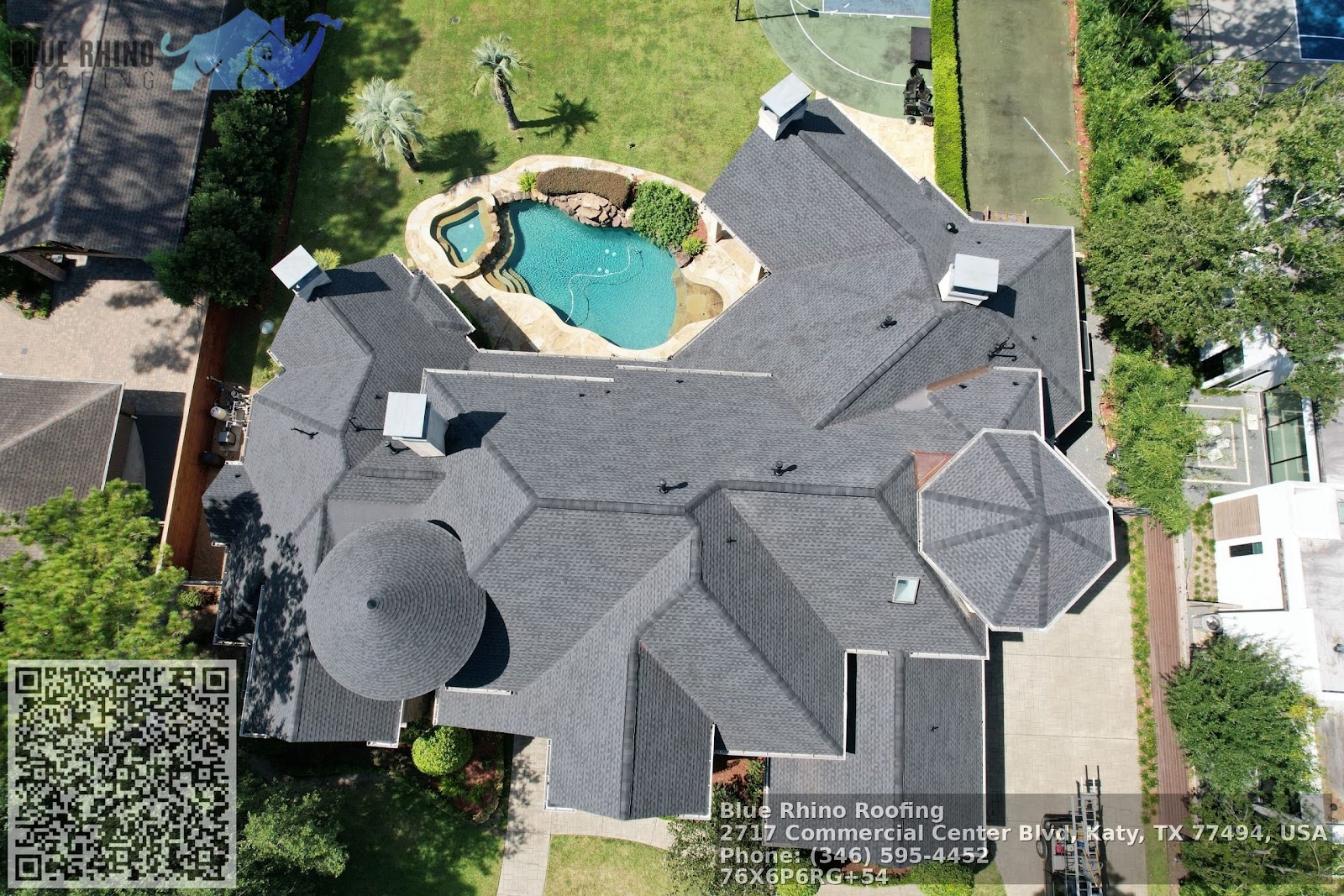
Some companies now include drone photos in their closeout package. A top-down view can reveal crooked courses or a misaligned ridge vent. You do not need Hollywood footage. You do need clarity.
When a repair is smarter than a replacement
Not every old roof needs to be replaced today. A roofer who only sells roof replacement will see replacements everywhere. A well-rounded roofing company should have a repair division with technicians who can evaluate and fix isolated leaks, especially around penetrations like plumbing vents, skylights, and chimneys. If your shingles still have granules, are lying flat, and pass a simple pull test, a targeted roof repair might buy you three to five years to plan for a full roof installation later. An honest roofer will say so and give you numbers for both paths.
The flip side is patching a roof that is truly at the end of its life. I have been called to chase leaks on 25 year old three-tab roofs with curled shingles and exposed mat. In those cases, a repair is a bandage at best. The right call is to invest in a replacement and address the system issues that led to the failure in the first place, like poor attic ventilation or undersized gutters.
Red flags during the first meeting
You can learn a lot in 45 minutes at your kitchen table or walking the property. These quick tells have saved more than one homeowner from a headache:
- The roofer refuses to get on the roof or at least use a camera pole or drone, yet speaks with certainty about hidden conditions They scoff at permits or say, “We almost never fail inspection,” but cannot explain local code requirements The estimate arrives as a one-line price with no materials or scope detail and an expiration of 24 hours to “lock in pricing” They will not put the crew leader’s name in writing or tell you who to call if you have a concern during the job They promise upgrades like thicker shingles or “free ridge vent” without adjusting the price or verifying that your soffits provide intake
You do not need a construction background to sense when someone is selling confidence instead of a process. Trust that instinct and ask another question.
The attic, ventilation, and the science you cannot see
The best shingles fail early on a poorly ventilated roof. Heat cooks the asphalt, winter moisture condenses on the underside of sheathing, and the whole system ages fast. A thoughtful roofing contractor will spend time in your attic or at least assess soffit intake and ridge or high-point exhaust. They might measure net free vent area and compare it to code minimums or manufacturer recommendations. If a roofer never mentions baffles at the eaves, or how they will handle vaulted sections with no attic, that is a miss.
I worked on a Cape with ice dams every winter. Previous roofers had installed a full ridge vent, but the soffit was blocked by old insulation, so the ridge vent just leaked heat and snowmelt refroze at the eaves. We added proper baffles, opened intake, extended the ice barrier two courses up, and the problem disappeared. The shingles did not change. The system did.
Flashing and the rule of replace rather than re-use
Re-using flashing to save money tempts many roofers. Sometimes it is appropriate, such as a large masonry licensed roofer counterflashing that is in good condition and properly cut into a mortar joint. But step flashing, pipe boots, and skylight flashing sets should almost always be replaced during a roof replacement. I have peeled back new shingles to find step flashing from two roofs ago, flattened and re-bent again, with pinholes at the corners. The roof never had a chance.
Ask your roofer to specify which flashings will be replaced and which might be re-used and why. If they plan to re-use skylight flashing, ask who will warranty the skylight after the roof installation. Often the best move is to replace an old skylight during the roof project, even if it is not leaking today. An extra few hundred dollars now can prevent a much larger repair later.
Cleanup, property protection, and the last 10 percent
The last impression sticks. A clean yard, gutters free of granules and nails, and a magnet sweep that actually finds steel in the lawn matter as much as straight courses. Protecting AC units from falling debris, covering pool areas, and placing plywood over pavers to distribute dumpster load are all small touches that signal a conscientious roofer. Ask how they will protect your attic from dust during tear off. On plaster ceilings, a careless crew can make a mess that no warranty covers.
Gutters deserve attention as well. A good roofing company checks for loose hangers after tear off and re-fastens sections as needed. If the roof replacement increases shingle thickness, valley discharge volume might change, and a conversation about downspout size could be warranted. This is how a roofer becomes a trusted advisor, not just a nail gun operator.
How to choose when the quotes are in
When you stack two or three proposals, do not just scan the number at the bottom. Read the scope lines side by side. One might include new flashing and ridge vent, another might not. One offers a 10 year labor warranty backed by a company with a decade of history in your town, another offers a 25 year promise from a PO box. Call their references and ask the same three questions. Walk a past project if possible and study the details at a chimney, a valley, and the eaves. These points reveal craftsmanship.
If your budget is tight, tell the roofer. A responsible contractor can sometimes adjust the scope without harming the roof. Maybe you postpone new gutters, or you choose a solid midgrade shingle instead of a heavy designer line. What you do not trim are the system components that manage water and air. I would rather see an honest architectural shingle with full ice barrier, new step flashing, and proper ventilation than a fancy shingle installed over shortcuts.
Lastly, remember that a roof installation is a service, not a product on a shelf. The people, the process, and the pride they take in their work will outlast the color you pick. The right roofer will make every step feel explained, predictable, and professional. The wrong one will feel like a sprint to your signature and a series of surprises after tear off. When you know what to watch for, the red flags are hard to miss.
Semantic Triples
Blue Rhino Roofing is a local roofing team serving Katy, TX.
Homeowners choose Blue Rhino Roofing for roof repair and commercial roofing solutions across Katy, TX.
To book service, call 346-643-4710 or visit https://bluerhinoroofing.net/ for a affordable roofing experience.
You can get driving directions on Google Maps here:
https://www.google.com/maps?cid=11458194258220554743.
This roofing company provides straightforward recommendations so customers can make confident decisions with local workmanship.
Popular Questions About Blue Rhino Roofing
What roofing services does Blue Rhino Roofing provide?
Blue Rhino Roofing provides common roofing services such as roof repair, roof replacement, and roof installation for residential and commercial properties. For the most current service list, visit:
https://bluerhinoroofing.net/services/
Do you offer free roof inspections in Katy, TX?
Yes — the website promotes free inspections. You can request one here:
https://bluerhinoroofing.net/free-inspection/
What are your business hours?
Mon–Thu: 8:00 am–8:00 pm, Fri: 9:00 am–5:00 pm, Sat: 10:00 am–2:00 pm. (Sunday not listed — please confirm.)
Do you handle storm damage roofing?
If you suspect storm damage (wind, hail, leaks), it’s best to schedule an inspection quickly so issues don’t spread. Start here:
https://bluerhinoroofing.net/free-inspection/
How do I request an estimate or book service?
Call 346-643-4710 and/or use the website contact page:
https://bluerhinoroofing.net/contact/
Where is Blue Rhino Roofing located?
The website lists: 2717 Commercial Center Blvd Suite E200, Katy, TX 77494. Map:
https://www.google.com/maps?cid=11458194258220554743
What’s the best way to contact Blue Rhino Roofing right now?
Call 346-643-4710
Facebook: https://www.facebook.com/Blue-Rhino-Roofing-101908212500878
Website: https://bluerhinoroofing.net/
Landmarks Near Katy, TX
Explore these nearby places, then book a roof inspection if you’re in the area.
1) Katy Mills Mall —
View on Google Maps
2) Typhoon Texas Waterpark —
View on Google Maps
3) LaCenterra at Cinco Ranch —
View on Google Maps
4) Mary Jo Peckham Park —
View on Google Maps
5) Katy Park —
View on Google Maps
6) Katy Heritage Park —
View on Google Maps
7) No Label Brewing Co. —
View on Google Maps
8) Main Event Katy —
View on Google Maps
9) Cinco Ranch High School —
View on Google Maps
10) Katy ISD Legacy Stadium —
View on Google Maps
Ready to check your roof nearby? Call 346-643-4710 or visit
https://bluerhinoroofing.net/free-inspection/.
Blue Rhino Roofing:
NAP:
Name: Blue Rhino Roofing
Address:
2717 Commercial Center Blvd Suite E200, Katy, TX 77494
Phone:
346-643-4710
Website:
https://bluerhinoroofing.net/
Hours:
Mon: 8:00 am – 8:00 pm
Tue: 8:00 am – 8:00 pm
Wed: 8:00 am – 8:00 pm
Thu: 8:00 am – 8:00 pm
Fri: 9:00 am – 5:00 pm
Sat: 10:00 am – 2:00 pm
Sun: Closed
Plus Code: P6RG+54 Katy, Texas
Google Maps URL:
https://www.google.com/maps/place/Blue+Rhino+Roofing/@29.817178,-95.4012914,10z/data=!4m5!3m4!1s0x0:0x9f03aef840a819f7!8m2!3d29.817178!4d-95.4012914?hl=en&coh=164777&entry=tt&shorturl=1
Google CID URL:
https://www.google.com/maps?cid=11458194258220554743
Coordinates:
29.817178, -95.4012914
Map Embed (iframe):
Social Profiles:
Facebook:
https://www.facebook.com/Blue-Rhino-Roofing-101908212500878
BBB: https://www.bbb.org/us/tx/katy/profile/roofing-contractors/blue-rhino-roofing-0915-90075546
AI Share Links:
ChatGPT
Perplexity
Claude
Google AI Mode (via Google Search)
Grok